
Surface Finishes
Choose surface finishes for corrosion protection, wear resistance, appearance, surface condition, or part identification. Compare compatible base materials, typical process build, dimensional impact, and the drawing inputs needed for a reliable quote.
Finish by function
Start with the result the part needs
Surface finishing should be selected around the base material, service environment, wear surfaces, cosmetic standard, and dimensions that must remain controlled after treatment.
Corrosion protection
Protect the base material
Anodizing, zinc plating, nickel finishes, passivation, black oxide, painting, and powder coating.
Wear & hardness
Improve working surfaces
Hard anodizing, electroless nickel, hard chrome, heat treatment, and polishing for controlled interfaces.
Appearance & texture
Control color and visual consistency
Bead blasting, brushing, polishing, painting, powder coating, anodizing, and decorative plating.
Cleanliness & roughness
Improve surface condition
Electropolishing, passivation, and mechanical polishing for cleaner or smoother exposed surfaces.
Identification
Add durable part information
Laser marking for serial numbers, data codes, logos, orientation marks, and part traceability.
Engineering comparison
Surface finish selection and parameter table
Use the ranges below for early design and RFQ planning. Final coating thickness, material removal, color, texture, masking, and acceptance criteria are confirmed against the selected specification and part drawing.
| Finish | Suitable base materials | Primary function | Typical build / removal | Dimensional effect | Key selection limits |
|---|---|---|---|---|---|
| Type II anodizing | Aluminum alloys | Corrosion protection, color, electrical insulation, cosmetic finish | Common planning range: 5–25 μm | Coating growth affects bores, threads, and close fits | Alloy and surface condition affect color; specify masking and sealed or unsealed condition |
| Hard anodizing | Aluminum alloys | Wear resistance, harder surface, corrosion protection, dielectric layer | Common planning range: 25–75 μm | More buildup than Type II; allowance may be needed on precision features | Color is usually darker and less cosmetic; sharp edges and threaded features need review |
| Bead blasting | Aluminum, stainless steel, steel, titanium, and selected plastics | Uniform matte texture, machining-mark reduction, surface preparation | No coating; slight material removal depends on media and pressure | Normally low, but edges and small features can soften | Media, grit, pressure, and visual sample should be defined for cosmetic consistency |
| Powder coating | Steel, stainless steel, aluminum, and other conductive metals | Corrosion protection, color, outdoor or industrial cosmetic finish | Common planning range: 60–120 μm | Noticeable film build; mask threads, grounding points, bores, and mating faces | Specify color standard, gloss, texture, environment, and cosmetic acceptance level |
| Electroless nickel | Steel, stainless steel, aluminum, copper alloys, and compatible substrates | Uniform corrosion protection, wear resistance, hardness, dimensional restoration | Common planning range: 5–50 μm | Relatively uniform buildup across complex geometry and internal surfaces | Specify phosphorus level, thickness, heat treatment, masking, and critical final dimensions |
| Zinc plating | Carbon and low-alloy steels | Sacrificial corrosion protection for steel hardware and components | Common planning range: 5–25 μm | Build affects threads and fitted features | Specify chromate color and corrosion requirement; high-strength steels need hydrogen-embrittlement review |
| Electrolytic nickel | Steel, stainless steel, copper alloys, and prepared substrates | Corrosion protection, decorative appearance, wear layer, or plating undercoat | Common planning range: 5–25 μm | Thickness varies with current density and part geometry | Recesses and edges plate differently; define cosmetic class, thickness location, and underplate |
| Chrome plating | Steel and compatible plated metal substrates | Hard chrome for wear and restoration; decorative chrome for appearance | Hard chrome often 10–100+ μm; decorative systems are much thinner | Hard chrome may require machining or grinding to final size | Specify hard or decorative chrome, finished dimension, grinding allowance, and exposure conditions |
| Passivation | Stainless steels | Remove free iron and support the natural corrosion-resistant passive surface | No intentional coating thickness | Negligible dimensional change | Not a substitute for electropolishing or plating; stainless grade and required specification matter |
| Electropolishing | Primarily stainless steel; selected compatible alloys | Lower surface roughness, cleaner surface, burr reduction, improved passivity | Typical material removal: approximately 5–25 μm | Removes material and can round edges or enlarge openings | Specify pre-finish Ra, target condition, critical edges, and dimensions measured after finishing |
| Black oxide | Ferrous steels and compatible stainless grades | Black appearance, low buildup, mild corrosion protection with oil or seal | Conversion layer typically below 2 μm | Very low dimensional effect | Limited protection in severe outdoor or chemical exposure; post-treatment oil or seal is important |
| Brushing | Aluminum, stainless steel, and other workable metals | Directional grain, cosmetic consistency, preparation before anodizing or coating | No coating; small material removal | Usually low, but can affect sharp edges and thin cosmetic surfaces | Define grain direction, grit, protected faces, and approved visual sample |
| Polishing | Metals and selected plastics | Reduce roughness, improve appearance, prepare sealing or functional surfaces | Material removal depends on starting condition and target finish | Can alter edges, radii, flatness, and feature definition | Specify target Ra or visual standard instead of terms such as “mirror” alone |
| Heat treatment | Steels, tool steels, aluminum alloys, titanium, and other heat-treatable alloys | Hardness, strength, wear behavior, stress relief, or dimensional stabilization | No coating; metallurgical change may include a specified case depth | Distortion and scale are process-dependent; finish machining may be required | Specify alloy, starting condition, target hardness, case depth, and dimensions controlled after treatment |
| Industrial painting | Metal and plastic parts with compatible preparation and primer systems | Color, branding, UV or chemical exposure protection, cosmetic surface | System-dependent; define primer, topcoat, and target dry-film thickness | Film build affects fits, edges, text, and small openings | Specify color reference, gloss, texture, environment, masking, and cosmetic defect limits |
| Laser marking | Many metals and plastics, subject to contrast testing | Serial numbers, QR/Data Matrix codes, logos, labels, and orientation marks | Negligible buildup; depth depends on marking method | Usually negligible outside deep engraving | Material, finish, contrast, code size, scan requirement, artwork, and marking location must be defined |
Dimensioning note: identify threads, bearing fits, sealing faces, electrical contacts, grounding points, and datums that must be masked or controlled after finishing. Do not apply a coating range as a blanket tolerance to every feature.
Detailed finish pages
Review materials, standards, colors, and design limits
Open a finish below for process-specific guidance. Include the finish specification on the drawing whenever compliance to a named standard, thickness class, color, gloss, texture, or test method is required.
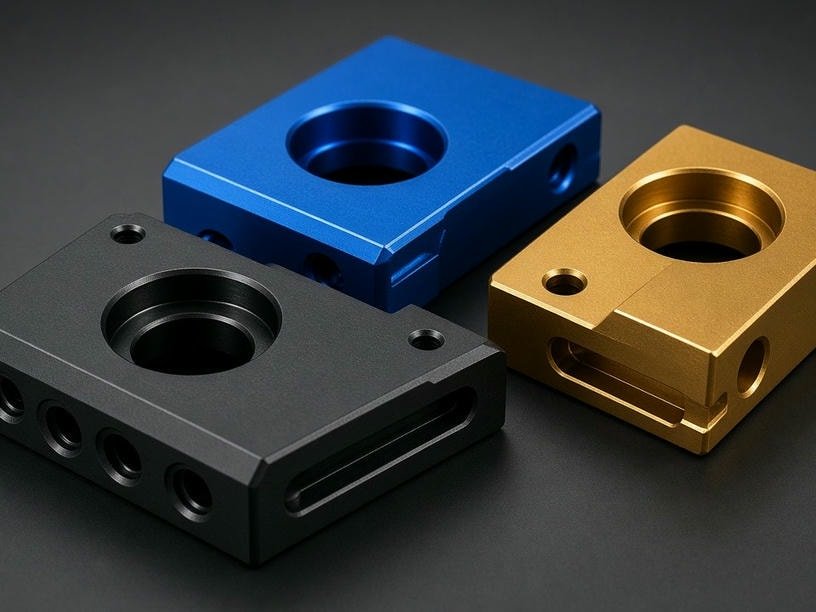
Precision Type II Anodizing Services for CNC Machined Parts | PartsMake
PartsMake provides professional Type II aluminum anodizing. Achieve precise film thickness, color consistency, and corrosion resistance for your CNC components.
View details →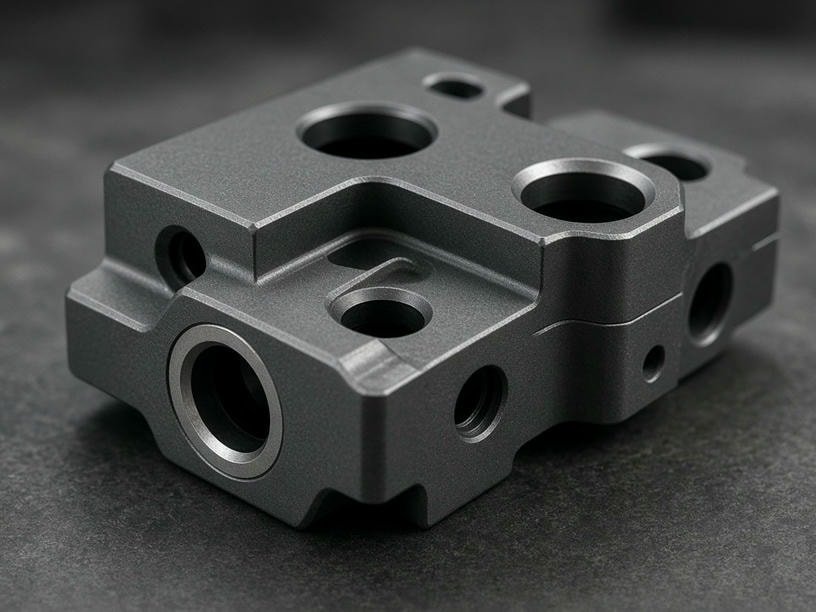
Hard Anodizing Services | Precision Aluminum Finishing | PartsMake
PartsMake provides Type III Hard Anodizing for aluminum components. Achieve superior wear resistance, high hardness, and precise dimensional control.
View details →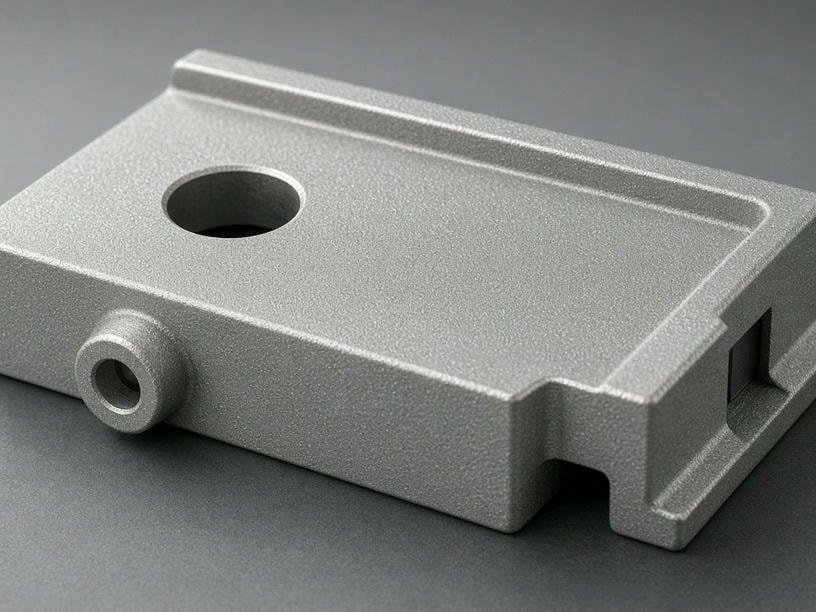
Precision Bead Blasting Services | Custom Matte Finishes | PartsMake
Get professional bead blasting services for metal and plastic parts. Achieve uniform matte finishes, hide machining marks, and ensure consistent surface quality. Request a quote from PartsMake today.
View details →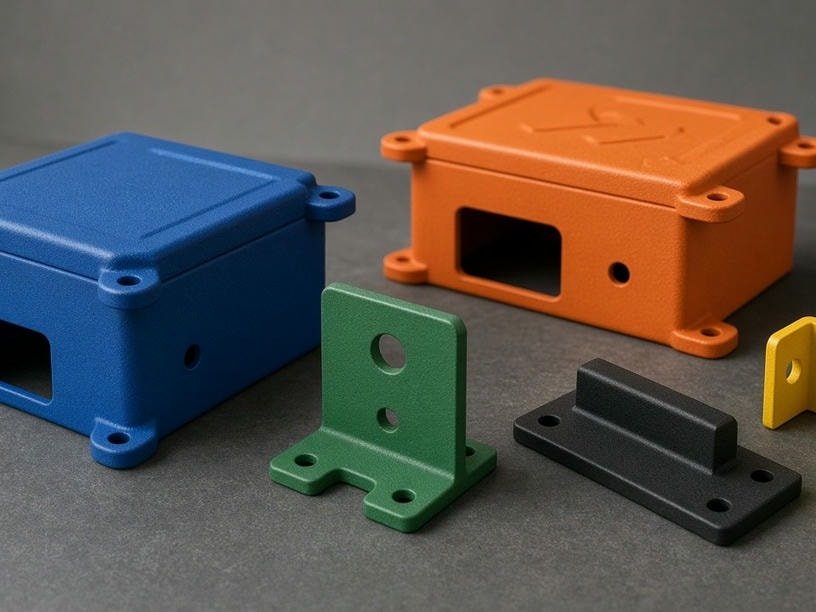
Powder Coating Services for Custom Metal Parts
Powder coating services for CNC machined and sheet metal parts, with RAL colors, controlled film thickness, masking, outdoor durability, and inspection.
View details →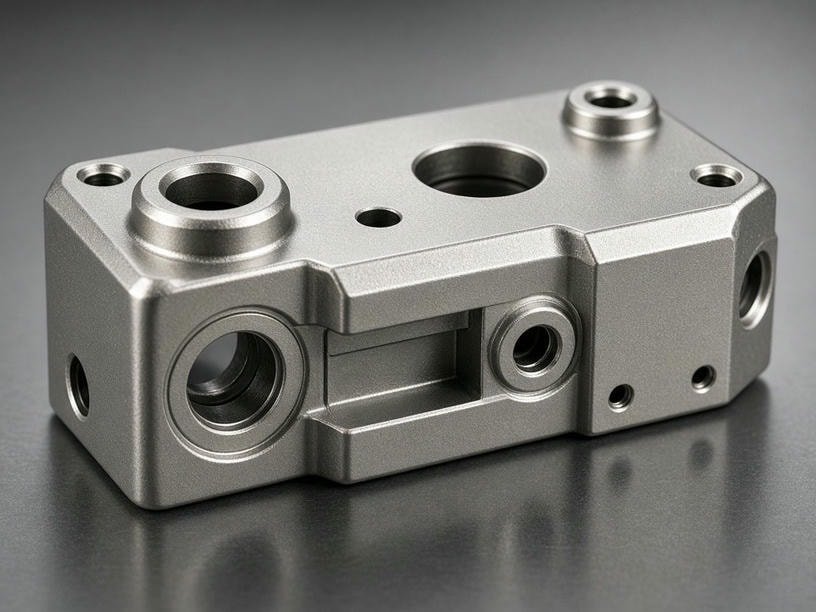
Electroless Nickel Plating Services for Precision Components | PartsMake
Professional electroless nickel plating services for complex precision parts. Achieve uniform thickness, superior corrosion resistance, and high hardness. Request a quote today.
View details →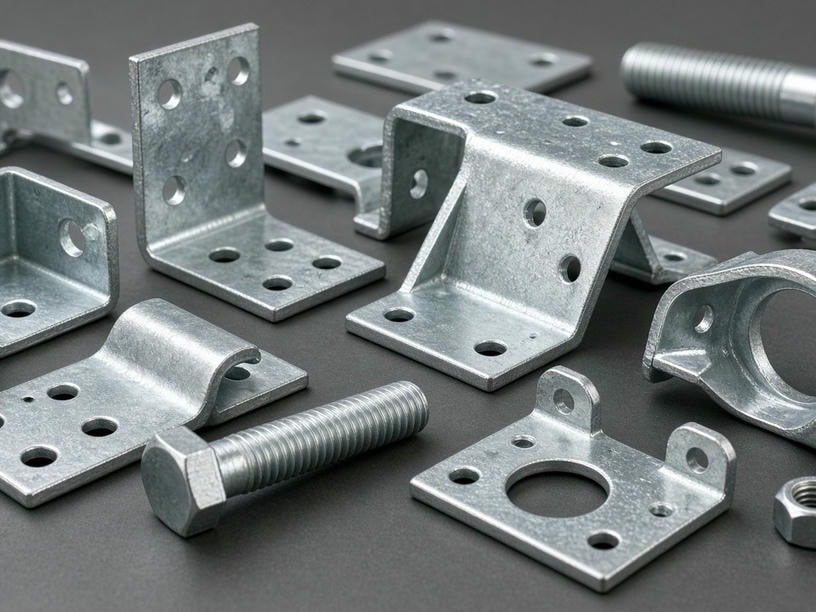
Zinc Plating Services for Precision Steel Parts | PartsMake
Professional zinc plating for steel components. We offer white, yellow, and black trivalent chromate finishes with hydrogen embrittlement relief. Request a quote today.
View details →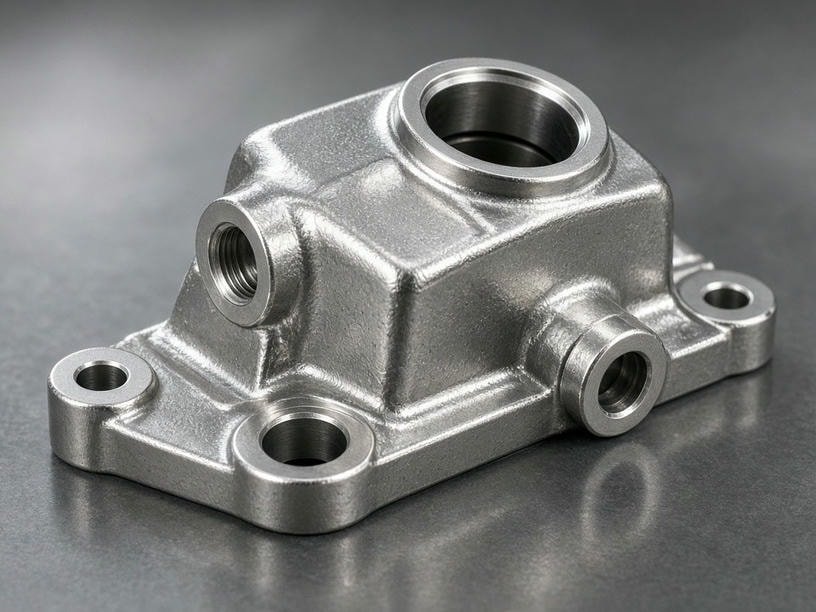
Precision Nickel Plating Services for Custom Industrial Parts | PartsMake
Get consistent, corrosion-resistant nickel plating for your custom components. PartsMake manages dimensional tolerances and multi-layer plating requirements.
View details →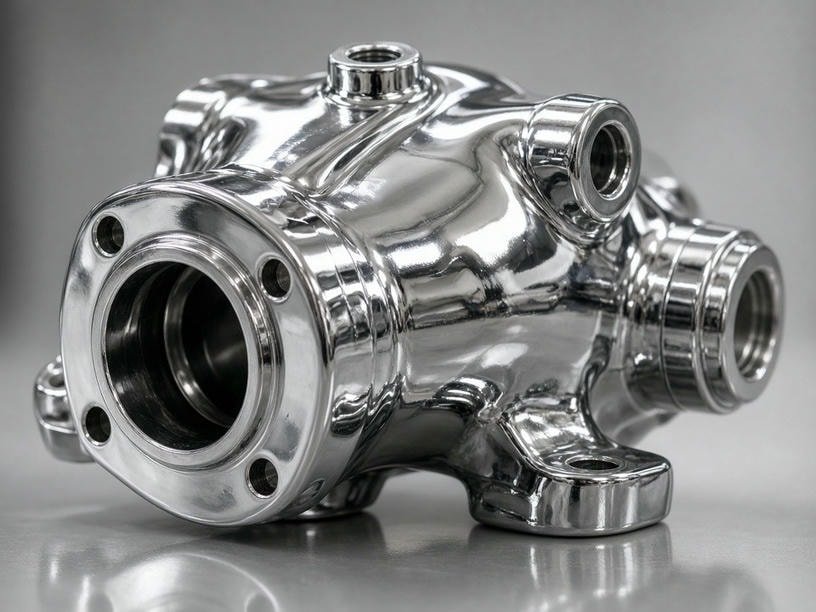
Precision Chrome Plating Services: Hard vs. Decorative Finishes | PartsMake
Expert chrome plating services for industrial and aesthetic applications. We provide both hard chrome and decorative chrome finishes with strict quality control.
View details →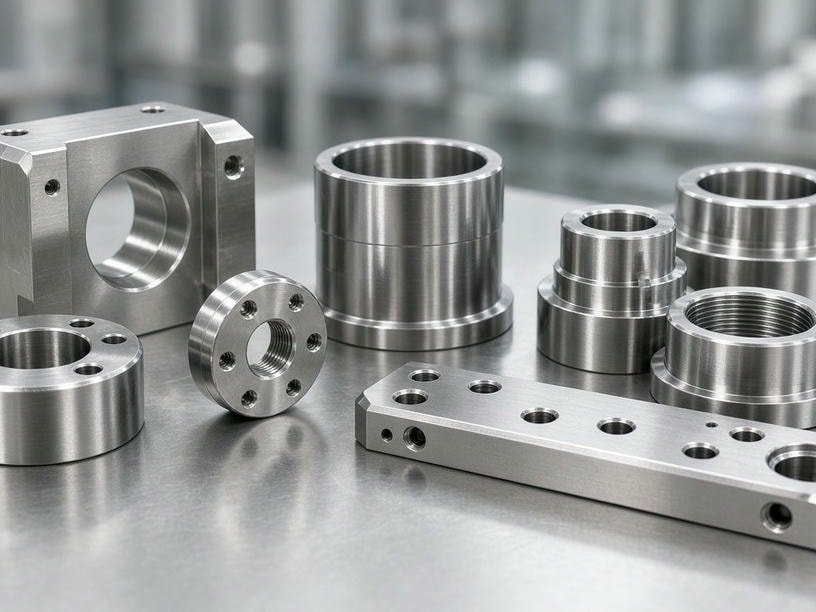
Passivation for Stainless Steel CNC Machined Parts | PartsMake
Stainless steel passivation for CNC machined parts, including 304 and 316 components, with cleaning, inspection, and RFQ support.
View details →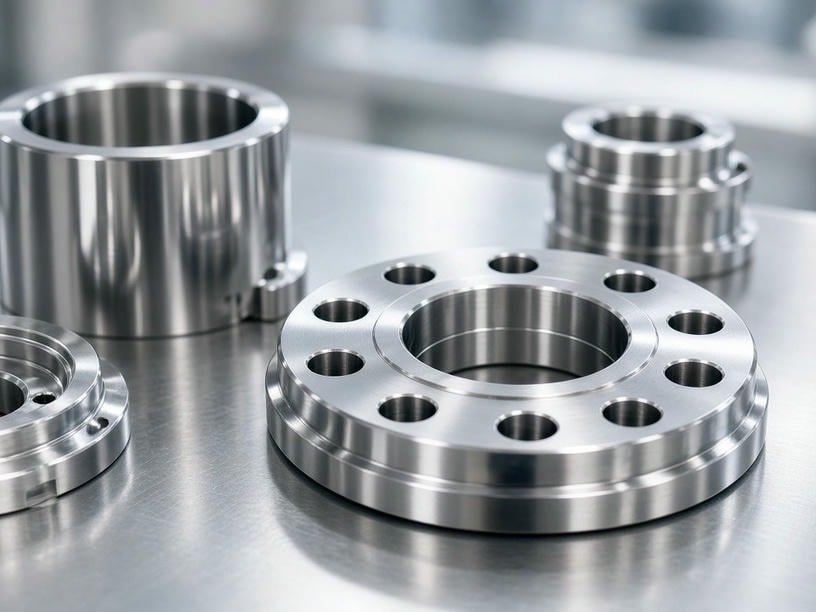
Custom Electropolishing Services | Precision Surface Finishing | PartsMake
Professional electropolishing services for stainless steel components. Improve surface roughness, corrosion resistance, and cleanliness for medical and semiconductor parts.
View details →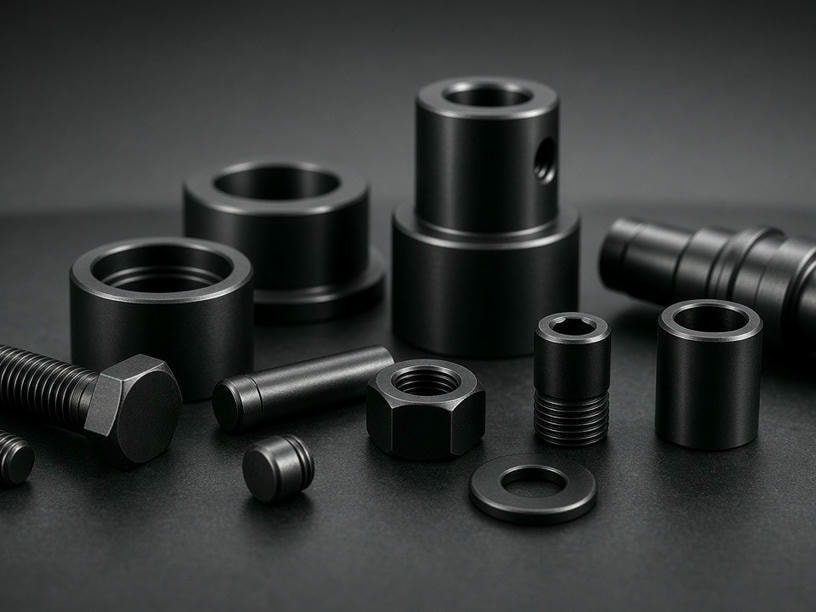
Black Oxide Finish for Precision Steel Parts | PartsMake
Black oxide finishing for precision steel parts with low dimensional change, CNC machining, inspection, and RFQ support from PartsMake.
View details →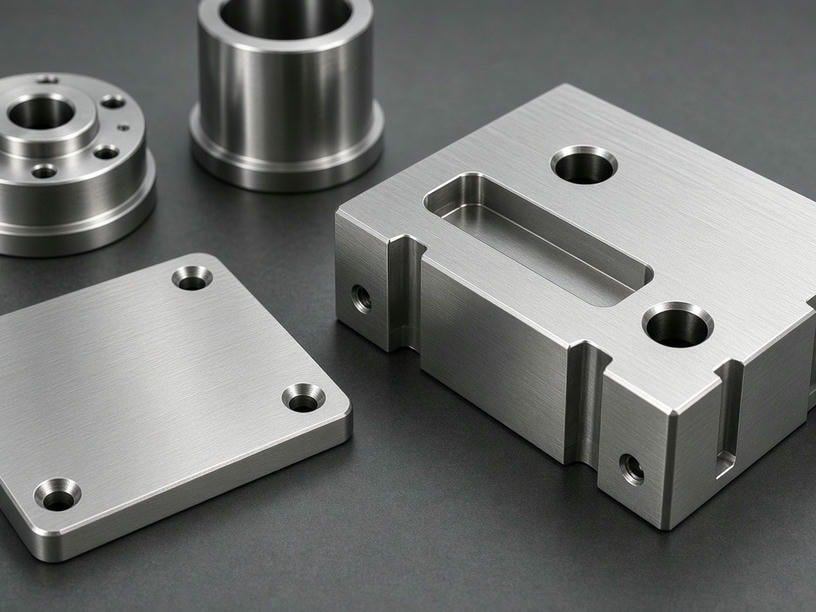
Brushing Finish for Aluminum and Stainless Steel Parts
Brushing finish service for CNC machined, sheet metal, and molded metal parts. Controlled grain direction, Ra targets, anodizing support, and RFQ review.
View details →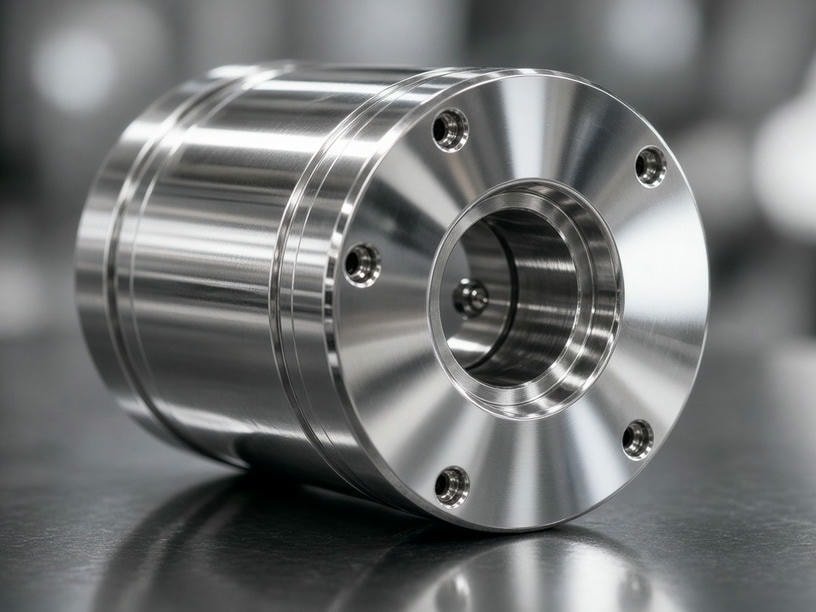
Precision Polishing Services | Mechanical & Mirror Finishes | PartsMake
Professional polishing services for metal and plastic components. From functional roughness reduction to mirror finishes. Request a quote from PartsMake today.
View details →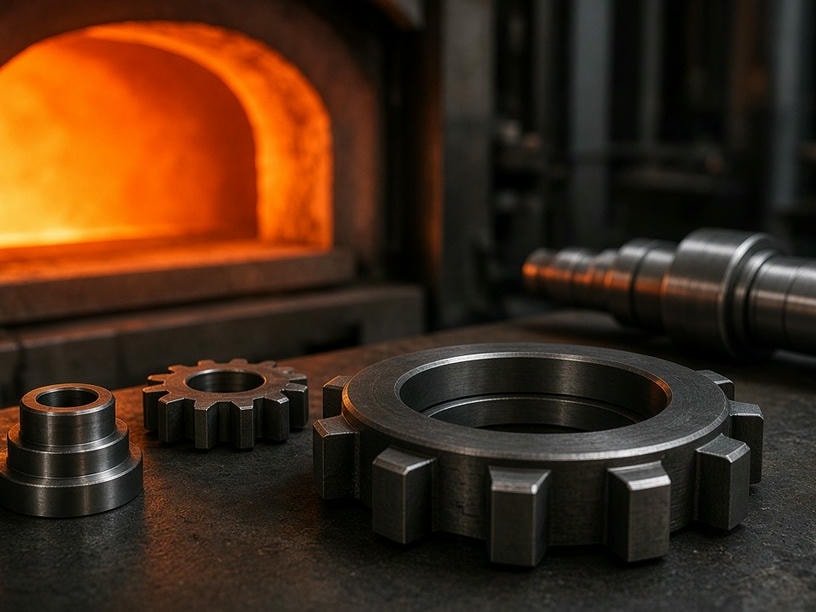
Precision Heat Treatment Services | PartsMake Custom Manufacturing
PartsMake provides professional heat treatment services for custom metal components. We manage material performance, hardness, and dimensional stability.
View details →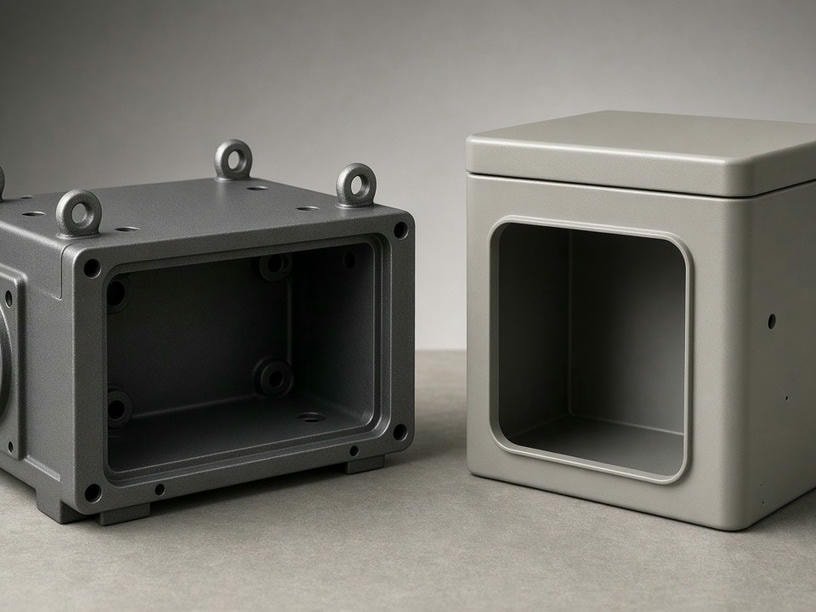
Industrial Painting for Plastic Housings and Metal Parts | PartsMake
Industrial painting for plastic housings and metal cosmetic parts, including primer, Pantone and RAL matching, masking, inspection, and RFQ support.
View details →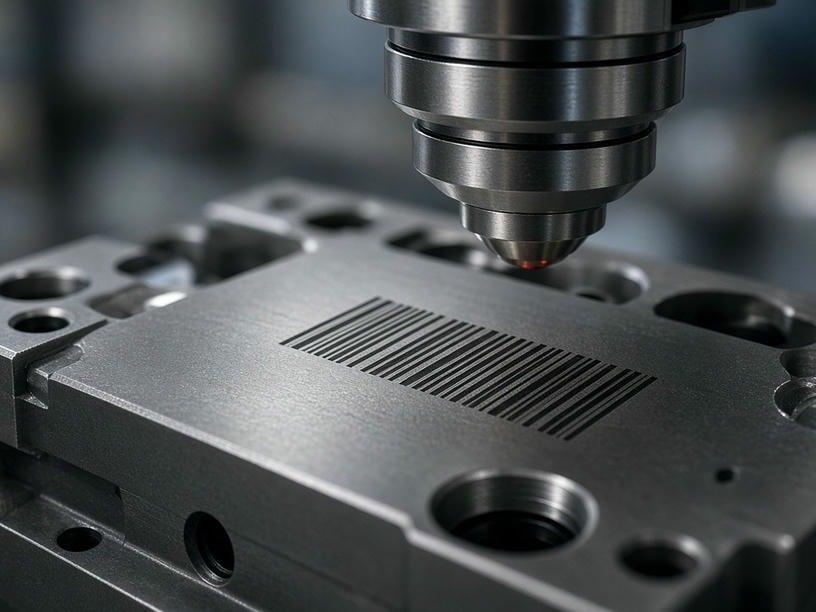
Laser Marking Services | Precision Part Identification | PartsMake
Get durable laser marking for custom metal and plastic parts. We specialize in serial numbers, QR codes, logos, and traceability. Request a quote today.
View details →RFQ checklist
Define the finish before pricing
A finish name alone is often insufficient. The quotation becomes more reliable when the drawing and RFQ identify the functional requirement and the surfaces that matter.
Base material
Alloy, temper or hardness, and current surface condition.
Finish requirement
Process, standard, type/class, thickness, color, gloss, texture, or Ra.
Controlled surfaces
Masking, grounding, sealing, bearing, threaded, cosmetic, and no-finish areas.
Acceptance criteria
Dimensions after finish, appearance sample, test method, documentation, and lot requirements.
Start Your Finished Parts Project
Upload your 2D drawings and 3D CAD models. Include the base material, finish specification, controlled dimensions, masking areas, cosmetic standard, quantity, and required documentation for a finish-aware quotation.
Pre-production check for blind holes, sharp edges, and thread clearances.
Custom silicone plugs and precision tape masking for grounded surfaces.
Identify dimensions, threads, bores, and mating faces that must be accepted after treatment.