
CNC Machining
PartsMake delivers precision CNC machining for custom metal and plastic components, supporting functional prototypes through repeat production.
Share the part geometry, material, critical tolerances, surface requirements, and quantity so the machining route can be selected around the actual purchasing requirements.
Verified production range: 1–100,000+ pieces
CNC process selection
Choose the right machining route for your part
Start with the part shape, access to critical features, diameter, setup risk, and production quantity—not the machine name alone. Share the drawing when two processes appear suitable; some parts are most economical with a combined route.
Verified production range
1–100,000+ pieces
Standard tolerance
±0.01–0.05 mm
Precision capability
Down to ±0.005 mm
| Process | Choose it when | Best-fit parts | Quantity fit | Watch for |
|---|---|---|---|---|
| CNC milling | The part is prismatic and most features can be reached from indexed setups. | Plates, housings, brackets, manifolds, fixtures, and pockets. | Prototypes through repeat production. | Deep cavities, thin walls, and multiple setups can increase cost and distortion risk. |
| CNC turning | The main geometry is rotational around a centerline. | Shafts, bushings, pins, sleeves, flanges, and threaded round parts. | Prototypes through production runs. | Off-axis holes, flats, and complex side features may require secondary milling. |
| 5-axis machining | Critical features sit on several faces or include compound angles and contoured surfaces. | Complex housings, impellers, medical components, aerospace-style geometry, and precision fixtures. | High-complexity prototypes and low-to-medium repeat volumes. | Do not pay for 5-axis access when conventional milling can complete the part reliably. |
| Swiss machining | The part is small-diameter, slender, feature-dense, and benefits from bar-fed repeat production. | Pins, miniature shafts, fittings, fasteners, and connector components up to Ø32 mm. | Repeat quantities where setup can be spread across more pieces. | Usually not the economical choice for a simple one-off part or diameters above Ø32 mm. |
| Mill-turn machining | A rotational part also needs meaningful milled features and setup reduction matters. | Flanged shafts, valve components, connectors, and turned parts with flats, slots, or off-axis holes. | Complex prototypes through repeat production. | For simple shafts or simple prismatic parts, a dedicated lathe or mill may be more economical. |
CNC machining is a strong fit when
- ✓You need functional metal or engineering-plastic parts without production tooling.
- ✓The drawing contains controlled dimensions, threads, bores, pockets, or mating features.
- ✓The project may progress from a prototype into repeat production within the verified 1–100,000+ piece range.
When CNC machining may not be the best choice
- High-volume molded plastic: injection molding may reduce unit cost after the design is stable.
- Thin panels and formed enclosures: sheet metal fabrication is often a better process match.
- Very early shape-validation models: 3D printing may be faster for geometry checks that do not require machined material properties.
- Hardened parts needing tighter finish or form control: precision grinding or EDM may be required as a primary or secondary process.
- Geometry inaccessible to a cutting tool: redesign or another process may be needed for deep internal features, sharp internal corners, or enclosed channels.
Explore CNC machining
Machining processes and technical guides
Browse the latest CNC machining topics to compare processes, understand production considerations, and identify the right route for your part.
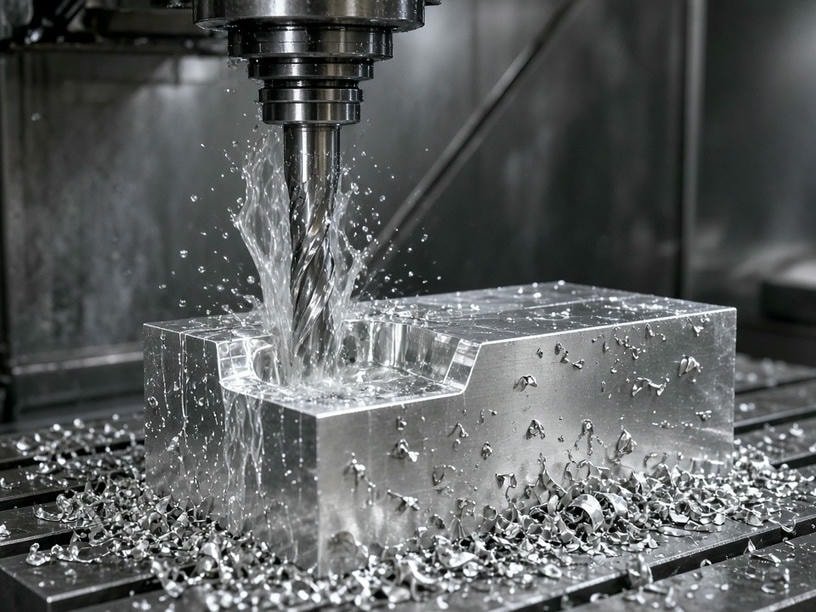
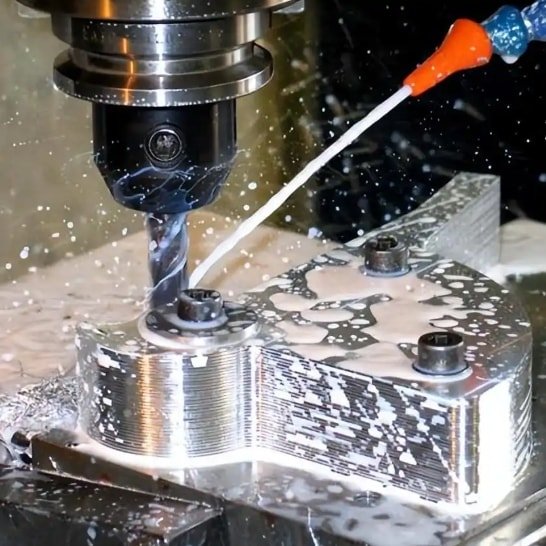
Precision CNC Milling Services | 3, 4 & 5-Axis Machining | PartsMake
Professional CNC milling services from PartsMake. We deliver high-precision parts with 3, 4, and 5-axis capabilities. Tight tolerances down to ±0.005 mm.
View details →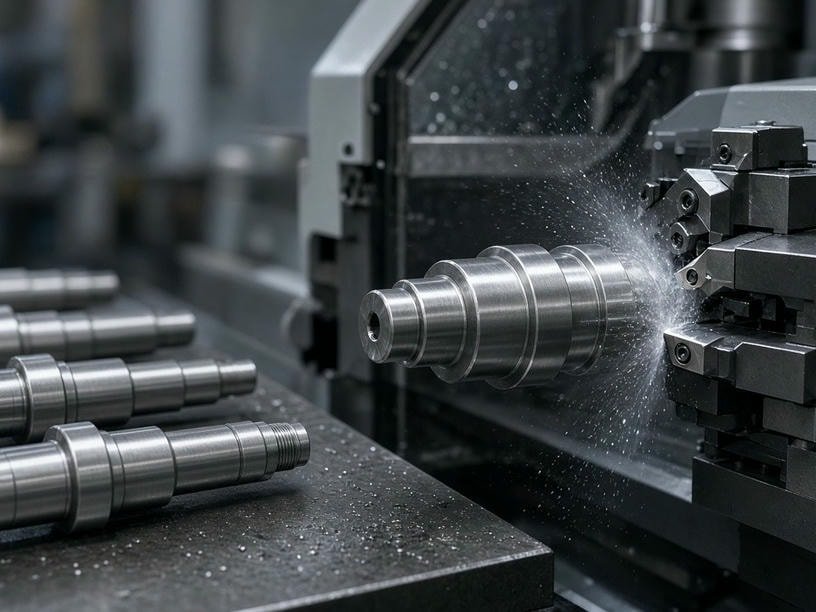
CNC Turning Services for Precision Metal Parts | PartsMake
Source precision CNC turning from PartsMake for shafts, bushings, sleeves, flanges and threaded parts. Get tolerances, materials, inspection and RFQ support.
View details →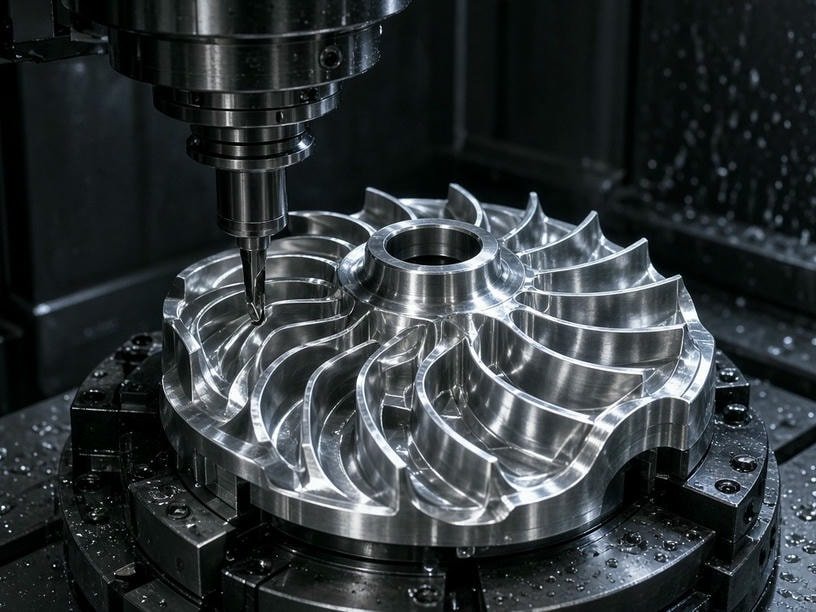
5-Axis CNC Machining Services | Precision Metal & Plastic Parts | PartsMake
PartsMake provides precision 5-axis CNC machining for complex components. From aerospace to robotics, we deliver tight-tolerance parts with reduced setup errors.
View details →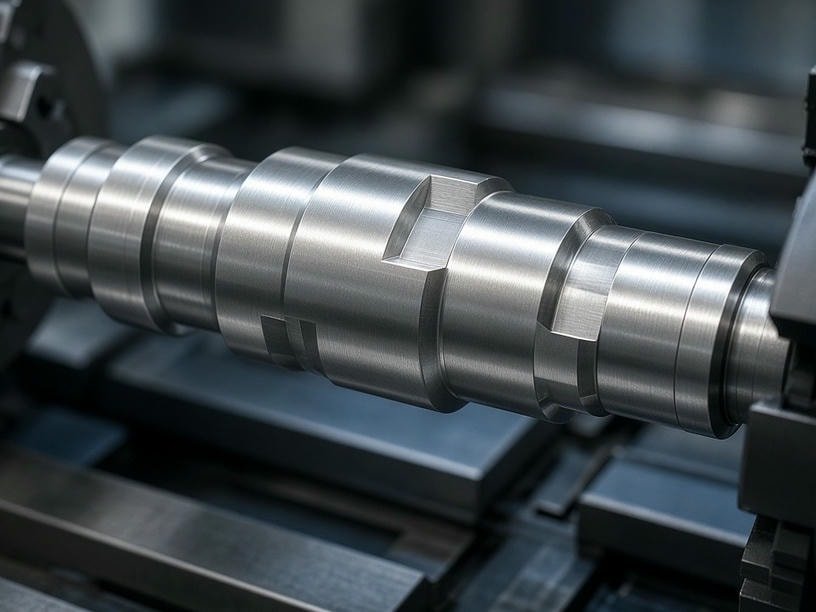
Precision Mill-Turn Machining Services | Complex CNC Parts | PartsMake
PartsMake provides precision mill-turn machining for complex components. Consolidate milling and turning operations in one setup to improve accuracy and reduce costs.
View details →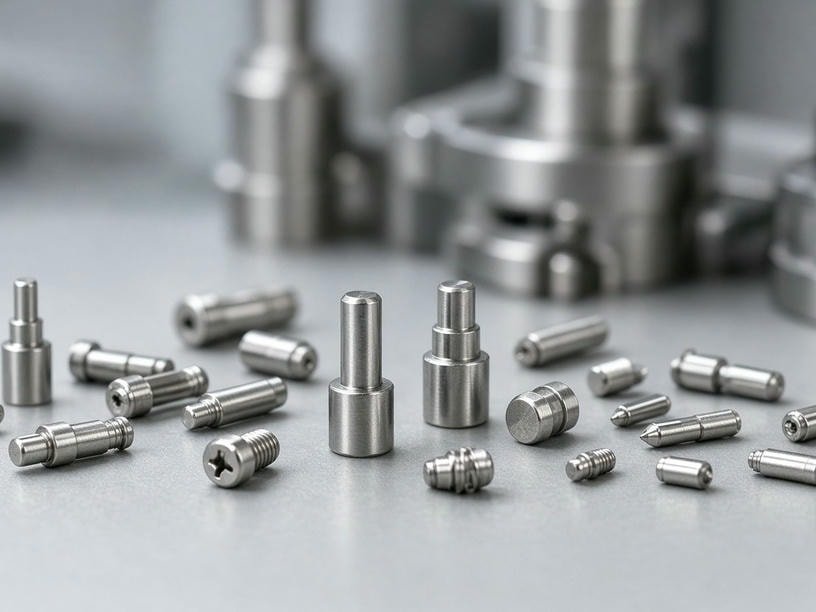
Precision Swiss Machining Services | Custom Small-Diameter Parts | PartsMake
PartsMake specializes in high-precision Swiss machining for small, complex components. Achieve tight tolerances for medical, electronic, and automotive parts.
View details →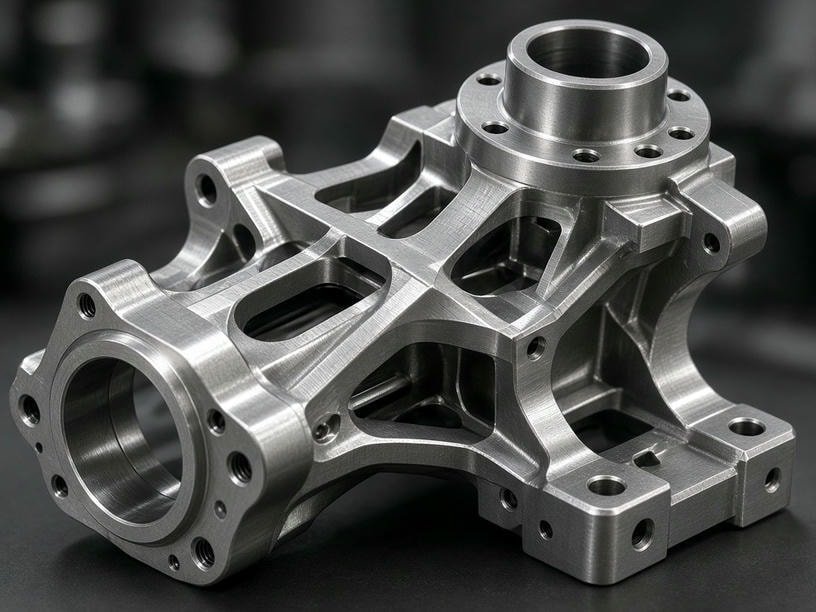
Precision Machining Services | Tight Tolerance CNC | PartsMake
PartsMake delivers precision machining for complex components. We specialize in ±0.005mm tolerances, GD&T compliance, and CMM inspection. Request a quote.
View details →Start with your drawing
Need help selecting a CNC machining process?
Share your CAD files, drawings, materials, tolerances, and production quantity with PartsMake. Our team can review the manufacturing requirements and recommend a practical production approach.
Material scope
CNC materials at a glance
Material choice affects tool access, wall stability, achievable tolerance, finish, and cost. This page shows the machining scope only; use the Materials guide for grade-level comparison.
Compare materials and gradesMetals
Aluminum; stainless and carbon steels; alloy and tool steels; titanium; brass; copper; bronze; and nickel alloys.
Engineering plastics
Machinable engineering plastics selected according to dimensional stability, temperature, friction, wear, and application needs.
Send the intended grade, temper or condition with the drawing. Final process and tolerance review depends on material, geometry, part size, heat treatment, finish, and inspection requirements.
Verified capability data
CNC machining capability specifications
The ranges below follow the current PartsMake company profile and replace earlier page-specific equipment figures.
| Parameter | Verified range |
|---|---|
| Maximum milling size | 1200 × 800 × 600 mm |
| Maximum turning diameter / length | Ø500 mm / 1000 mm |
| Swiss turning diameter | Up to Ø32 mm |
| Standard machining tolerance | ±0.01–0.05 mm |
| Precision machining tolerance | Down to ±0.005 mm |
| Flatness | 0.01 mm / 100 mm |
| Parallelism / perpendicularity | Down to 0.01 mm |
| Position tolerance | Down to Ø0.01 mm |
| Surface roughness | Ra 0.4–3.2 μm |
| Minimum feature / wall / hole | Approximately 0.5 mm, subject to material and geometry |
| Threads | Metric, UNC, UNF, BSP, NPT, and custom |
| Production quantity | 1–100,000+ pieces |
| Materials | Aluminum, stainless and carbon steels, alloy and tool steels, titanium, brass, copper, bronze, nickel alloys, and engineering plastics |
These are overall capability ranges, not automatic tolerances for every feature. Final values depend on the part size, material, geometry, datum structure, heat treatment, surface finish, and inspection method.
Request a quotation
Discuss your custom part
Tell us what you need to manufacture. Include technical details where available so the engineering team can provide a more useful review.
- ✓ Prototype and production support
- ✓ Manufacturing and tolerance review
- ✓ Coordinated inspection and finishing