
3D Printing
PartsMake supports SLA, SLS, MJF, FDM, and DMLS/SLM for prototypes, functional testing, and low-volume production.
Process selection considers material, orientation, supports, anisotropy, surface quality, post-processing, inspection, quantity, and whether CNC machining or molding is the better route.
Verified typical lead time: 1–5 working days
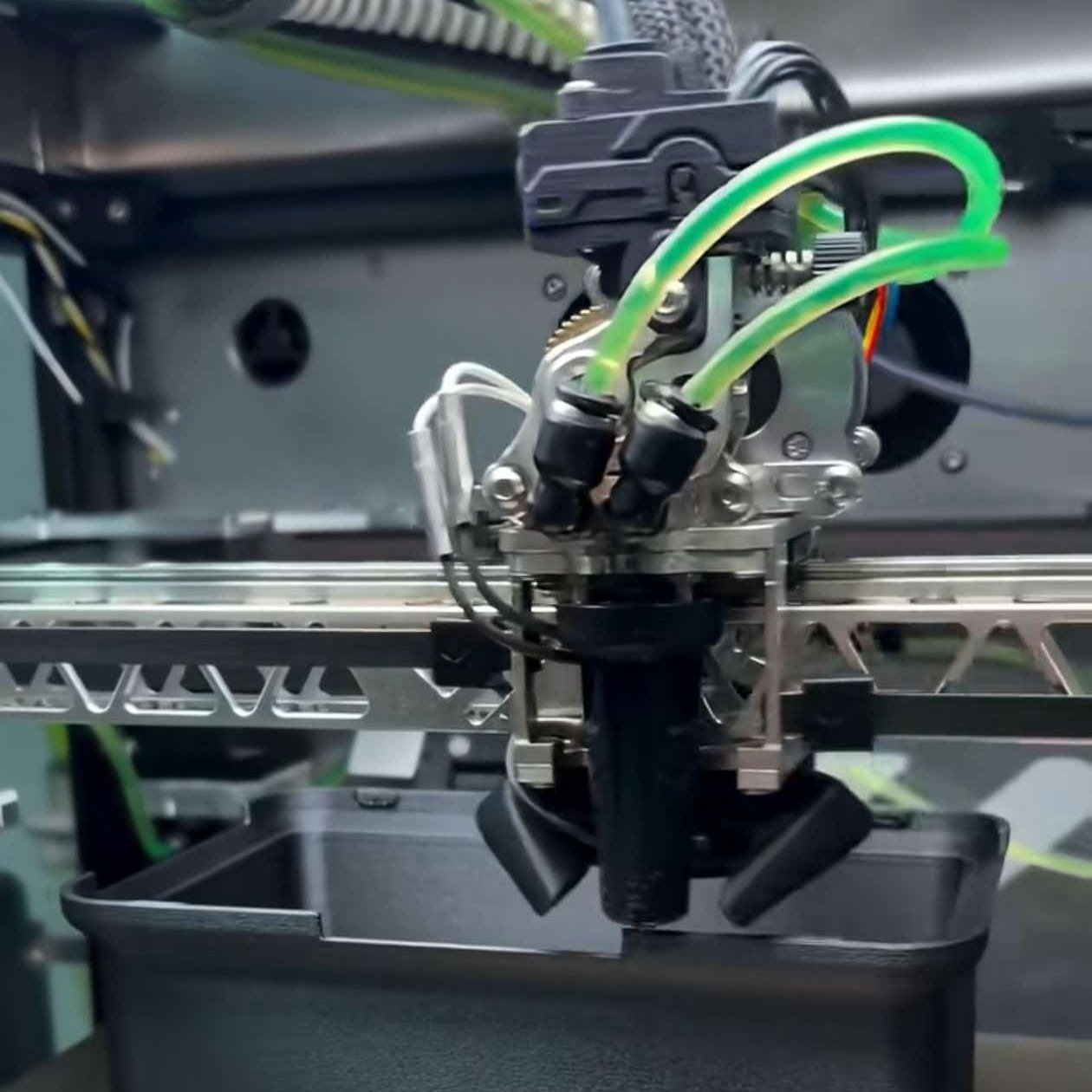
Additive process selection
Select the process by function, finish, orientation, and quantity
SLA, SLS, MJF, FDM, and DMLS/SLM do not produce interchangeable parts. The best route depends on whether the part is visual or functional, the direction of service loads, required density, surface expectations, color, support access, post-processing, and the economics of the full quantity.
Verified lead time
1–5 working days
Typical accuracy basis
±0.2%, min. ±0.2 mm
Verified quantity range
1–10,000+ pieces
These are overall capability ranges from the current PartsMake company profile. Actual accuracy and lead time vary with process, material, size, orientation, supports, post-processing, quantity, and inspection requirements.
| Decision factor | SLA | SLS | MJF | FDM | DMLS / SLM |
|---|---|---|---|---|---|
| Best fit | Detailed visual models, smooth prototypes, fit checks, and master patterns. | Durable nylon prototypes, complex functional parts, and nested batches. | Repeat functional nylon parts requiring consistent batch output. | Large or economical concept parts, fixtures, jigs, and engineering prototypes. | Complex, high-value metal parts where additive geometry creates a real advantage. |
| Surface quality | Generally the smoothest printed surface and strongest fine-detail presentation. | Uniform matte, grainy powder-bed texture. | Fine, slightly grainy functional surface. | Visible layer lines; appearance depends strongly on layer height and orientation. | As-built surfaces are comparatively rough and critical surfaces normally need finishing. |
| Support structure | Supports are normally required and leave removal marks on contact areas. | Loose powder supports the part; dedicated supports are generally unnecessary. | Powder-bed support; dedicated supports are generally unnecessary. | Supports may be required for overhangs, bridges, and build stability. | Supports and build-plate attachment are normally required for heat control and stability. |
| Anisotropy | Properties and accuracy remain orientation-dependent; resin behavior also changes with cure and aging. | More balanced than filament printing, but orientation still affects dimensions and mechanical behavior. | Relatively consistent nylon behavior, while orientation and packing still matter. | Strongest directional effect; Z-direction layer bonding often governs load capacity. | Build direction, scan strategy, supports, residual stress, and heat treatment influence properties. |
| Density | Solid resin construction, but not equivalent to molded engineering resin properties. | Functional nylon with process-dependent porosity and surface absorption. | Functional nylon density; sealing may be needed for pressure or fluid requirements. | Can be solid or use infill; density and strength depend on build settings. | Near-full density may be achievable with validated parameters, but must be confirmed by alloy and requirement. |
| Color | Resin color and transparency depend on material availability; painting is possible. | Natural powder color plus dyeing options, subject to material and batch. | Commonly gray or black; dyeing and finishing options depend on material. | Broad filament color choice, but exact color matching requires confirmation. | Natural metal appearance; color requires coating, painting, or another secondary finish. |
| Typical post-processing | Wash, UV cure, support removal, sanding, polishing, painting, or clear finishing. | Depowdering, blasting, tumbling, dyeing, sealing, or machining of critical features. | Depowdering, blasting, dyeing, smoothing, sealing, and selective machining. | Support removal, sanding, filling, machining, vapor smoothing where suitable, or painting. | Stress relief or specified heat treatment, build-plate removal, support removal, blasting, and machining or grinding of critical faces. |
| Quantity economics | Strong for one-offs and small detailed batches; finishing labor can dominate larger quantities. | Nesting improves batch economics for many small nylon parts. | Well suited to repeat low-volume nylon production and packed builds. | Often economical for simple, larger, low-quantity parts when surface and anisotropy are acceptable. | Best justified by complex geometry, consolidation, or material value—not by replacing simple machined parts automatically. |
| Accuracy note | Verified SLA range is approximately ±0.1–0.2 mm, subject to part and build conditions. | Use the overall ±0.2% / minimum ±0.2 mm basis for initial review. | Use the overall ±0.2% / minimum ±0.2 mm basis for initial review. | Use the overall basis; large parts, warpage, and layer orientation require additional allowance. | Do not assign the overall print tolerance to critical bores, datums, threads, or sealing faces without a machining plan. |
Stay with 3D printing
When geometry or iteration drives value
- Design is still changing and avoiding tooling protects the schedule.
- Internal channels, lattice features, part consolidation, or customization favor additive manufacturing.
- Required quantity and finishing effort remain economical within the verified 1–10,000+ piece range.
Switch to CNC machining
When precision and stock properties dominate
- The geometry is tool-accessible and requires tight datums, bores, threads, flatness, or sealing surfaces.
- Machined-stock material properties and more isotropic behavior are important.
- Extensive support removal, surface finishing, or secondary machining removes the additive advantage.
Switch to injection molding
When stable repeat demand pays for tooling
- The design and resin are stable enough to commit to a mold.
- Demand is recurring and unit-cost reduction outweighs tooling investment.
- Molded surface, color, material behavior, or production consistency is a better fit than printed output.
Metal additive manufacturing
Plan the printed blank and finished part together
A DMLS/SLM quote should define the alloy, build orientation, support access, heat-treatment requirement, critical datums, machining stock, finished surface, inspection plan, and acceptance standard. Printing is only one stage of the route.
- 1. Build and support strategySupports manage heat and anchor the part but add material, removal labor, and contact marks.
- 2. Stress relief / heat treatmentThe required route depends on alloy, geometry, residual stress, and mechanical-property requirements.
- 3. Plate and support removalWire EDM, sawing, machining, and manual finishing may be needed to separate and clean the part.
- 4. Critical-feature finishingDatum faces, bores, threads, sealing surfaces, fits, and tight geometric controls often require CNC machining or grinding.
Files and requirements needed for process review
Geometry3D CAD, drawing, revision, units, and intended build quantity.
FunctionLoads, temperature, chemicals, UV, fluid contact, wear, and expected service life.
Critical controlsDatums, CTQ dimensions, threads, fits, sealing areas, and inspection method.
AppearanceVisible faces, target texture, color, support restrictions, finishing, and approved comparison sample.
3D printing resources
Explore additive manufacturing services
Compare available processes and find the right approach for your next prototype or production part.
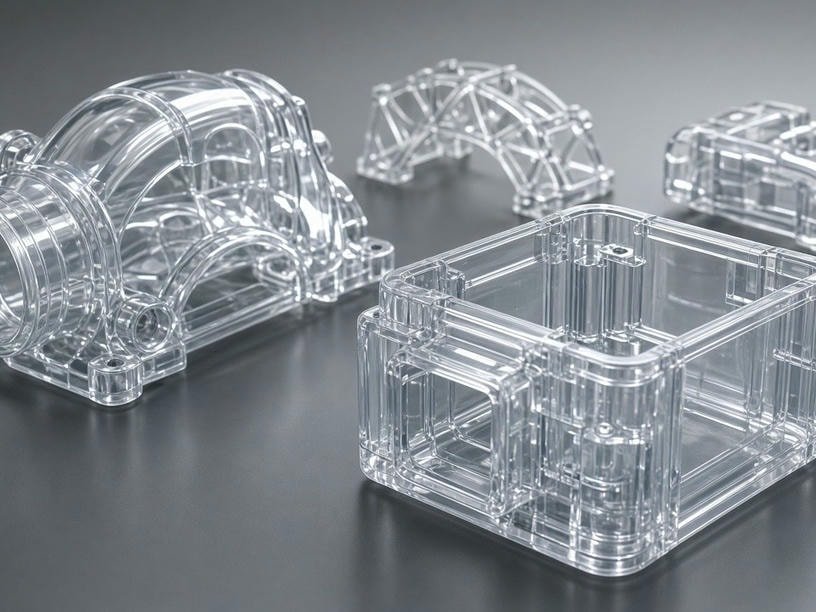
Industrial SLA 3D Printing Services | High-Precision Prototypes | PartsMake
Professional SLA 3D printing services for engineering, display models, and clear parts. High precision, fast turnaround. Request a quote today.
View details →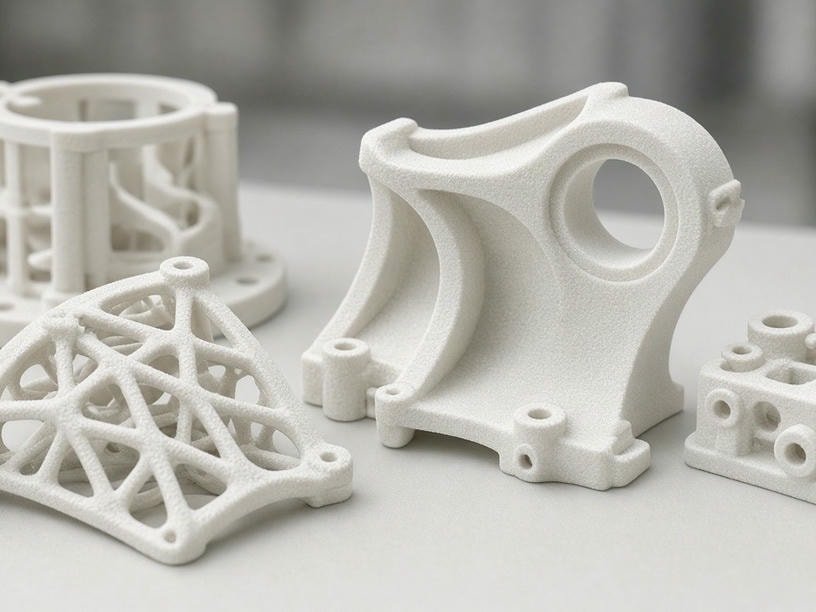
SLS 3D Printing Services | PartsMake - Precision Nylon Manufacturing
Professional SLS 3D printing services for functional nylon parts. PartsMake provides high-volume, support-free additive manufacturing for complex geometries. Request a quote today.
View details →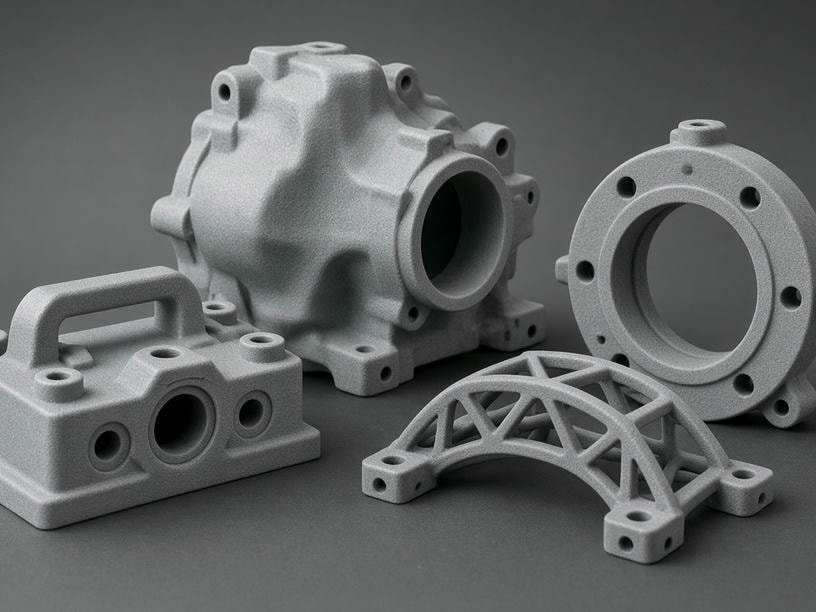
MJF 3D Printing Services | PartsMake
PartsMake provides production-grade MJF 3D printing for functional prototypes and low-volume manufacturing. Fast lead times, high isotropy, and consistent mechanical performance. Request a quote today.
View details →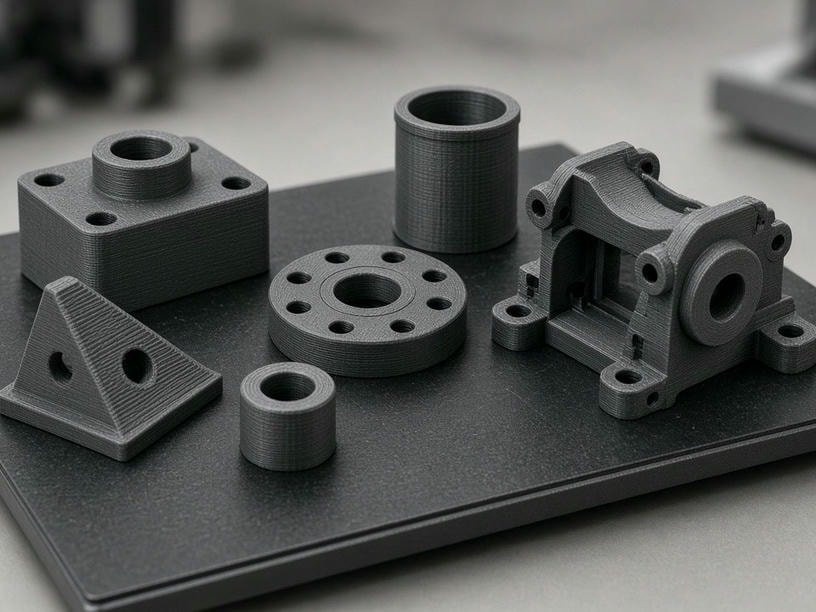
FDM 3D Printing Services | Engineering-Grade Thermoplastics | PartsMake
Professional FDM 3D printing services for functional prototypes and end-use parts. High-performance materials like PEEK, PEI, and Nylon with precision control.
View details →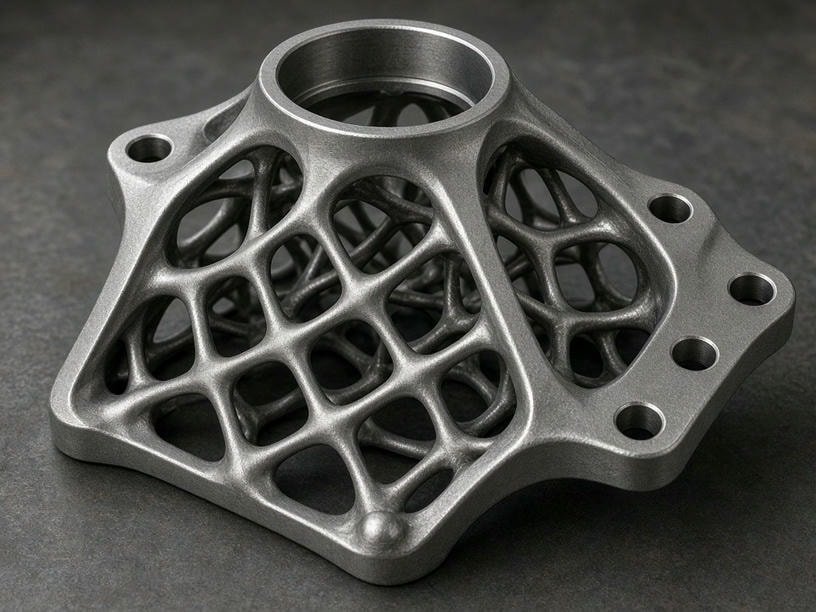
Metal 3D Printing for Complex, Lightweight Metal Parts | PartsMake
Metal 3D Printing for complex, lightweight parts with internal channels, DMLS/SLM alloys, heat treatment, HIP, CNC finishing, and rapid RFQ support.
View details →Verified capability data
Verified 3D printing limits
Process, accuracy, feature, build size, material, and quantity ranges follow the current PartsMake company profile.
| Parameter | Verified range |
|---|---|
| Processes | SLA, SLS, MJF, FDM, and DMLS / SLM |
| Typical layer height | 0.016–0.30 mm |
| Minimum feature size | Approximately 0.3–0.5 mm |
| Typical dimensional tolerance | ±0.2% with a minimum of ±0.2 mm |
| Precision SLA tolerance | Approximately ±0.1–0.2 mm |
| Maximum SLA build size | Approximately 800 × 800 × 550 mm |
| Maximum SLS build size | Approximately 700 × 380 × 580 mm |
| Maximum MJF build size | Approximately 380 × 284 × 380 mm |
| Maximum FDM build size | Approximately 900 × 600 × 900 mm |
| Production quantity | 1–10,000+ pieces |
| Typical lead time | 1–5 working days |
| Materials | Photopolymer resins, PA12, PA11, TPU, ABS, PLA, PETG, nylon, PC, PEI, PEEK, aluminum, stainless steel, titanium, and Inconel |
Accuracy and lead time vary with process, material, part size, orientation, support strategy, post-processing, quantity, and critical-feature inspection.
Start your project
Get a practical 3D printing recommendation
Share your CAD files, drawings, material preferences, quantities, and target application. PartsMake will review the requirements and help define the next manufacturing step.